


When your home starts to feel too small, moving is not always the smartest answer. In Dubai and across the UAE, many families love their neighborhood, community facilities, school access, sea views, or garden plot, but need one more bedroom, a larger kitchen, a private office, or better space for entertaining.
That is where a well-planned home addition can change everything. The right extension can add usable square footage, improve daily comfort, and modernize the way your villa or home functions without the disruption of selling, buying, and relocating.
The key is to add space in a way that feels intentional. A successful home addition should look like it was always part of the property, meet local requirements, protect the structure, and support the way your family actually lives.
Why a Home Addition Can Be Better Than Moving
Moving can solve a space problem, but it often creates new ones. You may gain an extra room but lose a location you love. You may find a larger property but need to renovate it anyway. You may also face transaction costs, furnishing costs, school changes, commute changes, and months of uncertainty.
A home addition allows you to keep what already works while fixing what does not. If your villa has unused outdoor space, an oversized garage, a wide side setback, or a terrace that is rarely used because of heat and dust, you may already have the footprint for a more functional home.
For homeowners thinking long term, additions can also support changing needs. A young family may need a playroom today, a study zone in a few years, and a guest suite later. A household with frequent visitors may benefit from a private majlis or detached guest room. Professionals working from home may need a proper office that separates business hours from family life.
The Best Home Additions That Add Space Without Moving
Not every addition needs to be huge. In many UAE homes, a smart 15 to 30 square meter upgrade can feel more valuable than a larger but poorly planned extension. The best choice depends on your plot, structure, lifestyle, and approvals.
Rear or Side Villa Extension
A rear or side extension is one of the most common ways to add space to a villa. It can expand the living room, create a larger dining area, add a family lounge, or introduce a guest bedroom on the ground floor.
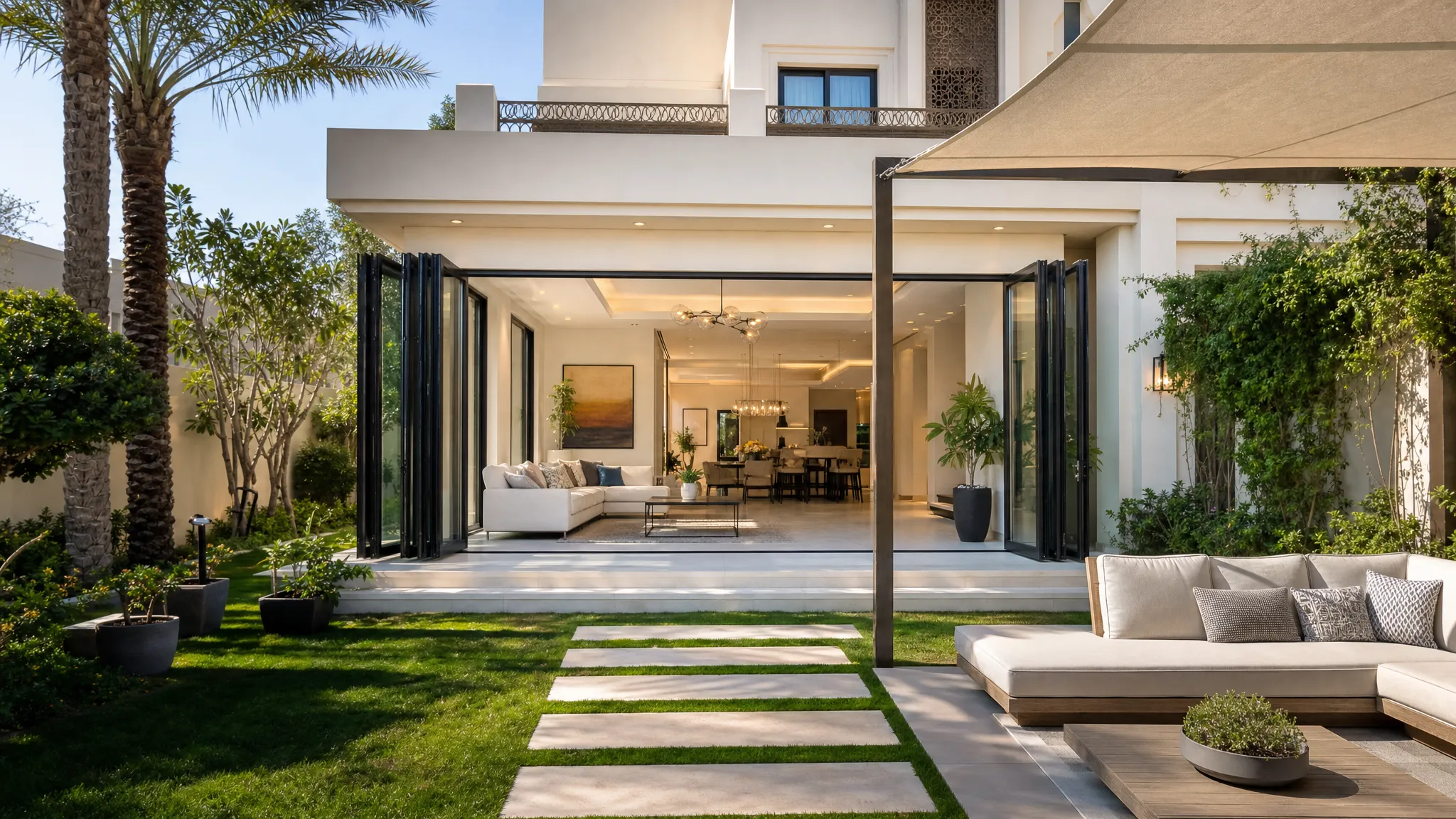
This option works especially well when the existing layout opens toward a garden or terrace. By extending outward, you can create a stronger indoor-outdoor connection and make the home feel wider, brighter, and more sociable.
The main considerations are setbacks, boundary walls, drainage, foundation design, and whether the roofline can be integrated cleanly. A side extension may also affect walkways, service access, and external AC unit placement, so it should be planned with the entire property in mind.
Kitchen and Family Room Expansion
Many older villas have kitchens that feel closed off from the main living space. Expanding the kitchen and connecting it to a family room can create the heart of the home, especially for families who cook often, entertain, or prefer casual open-plan living.
This kind of addition can include a larger island, breakfast area, walk-in pantry, hidden laundry, additional storage, and better circulation between the kitchen, dining room, and garden. If you want the new area to feel luxurious rather than just larger, take inspiration from custom home remodeling ideas for luxury living and focus on proportion, finishes, lighting, and flow.
A kitchen extension is more complex than a simple room addition because it involves plumbing, electrical work, ventilation, waterproofing in some areas, cabinetry, appliances, and sometimes structural wall changes. The result, however, can be one of the most lifestyle-changing upgrades in the home.
Ground-Floor Bedroom or Guest Suite
Adding a ground-floor bedroom is practical for multigenerational households, visiting relatives, live-in support, or future accessibility. It can also work as a flexible room that functions as a guest bedroom, study, or quiet lounge depending on the season.
For maximum value, plan the room with enough storage, acoustic privacy, and convenient bathroom access. If an ensuite is included, waterproofing, drainage slopes, ventilation, and fixture placement must be handled carefully.
This addition is particularly useful when the upstairs bedrooms are already full or when elderly family members need to avoid stairs. It can also make the home more adaptable, which matters in a fast-changing family environment.
Enclosed Terrace, Balcony, or Sunroom
Terraces and balconies are attractive on paper, but in the UAE climate they are not always used daily. Heat, humidity, dust, and privacy concerns can turn outdoor areas into wasted space for much of the year.
Enclosing a terrace or balcony can create a reading room, breakfast area, playroom, gym corner, or extended lounge. The design needs to balance comfort and heat control. Large glass areas may look beautiful, but they should be planned with shading, insulation, ventilation, and air-conditioning load in mind.
For villas, an enclosed garden-facing room can be especially appealing when it is designed as a transitional space between the interior and landscape. It should not feel like a glass box attached to the house. Flooring levels, ceiling details, lighting, and material continuity make a major difference.
Garage Conversion
If your garage is used mostly for storage, it may be a strong candidate for conversion. A garage can become a home office, gym, studio, guest room, driver room, entertainment lounge, or hobby space.
Before converting it, check parking requirements, community rules, ventilation, insulation, waterproofing, floor levels, and access. Garages are often not built to the same comfort standards as living areas, so they may need upgraded flooring, wall treatment, ceiling work, lighting, AC, and electrical points.
A garage conversion is usually less disruptive than a new structural extension, but it should still be treated as a proper renovation. If the space feels like a converted garage after the work is done, the design has not gone far enough.
Garden Room, Majlis, or Home Office Pavilion
A detached garden room can add privacy without changing the main house too much. It is ideal for a home office, majlis, guest lounge, wellness room, art studio, or teenager retreat. This type of addition can work beautifully when the plot has enough outdoor space and the design respects privacy, shading, and landscaping.
Some homeowners also explore modular construction concepts for inspiration. For example, browsing premium shipping containers can help you visualize how modified container-style units are used for offices, studios, and temporary storage before discussing locally compliant options with your UAE renovation contractor.
The most important point is that a garden room should still feel connected to the property. Pathways, lighting, soft landscaping, privacy screens, and matching exterior finishes help the new structure feel intentional rather than temporary.
First-Floor or Roof-Level Addition
A vertical addition can add substantial space when the plot does not allow outward expansion. This may include an extra bedroom suite, rooftop lounge, maid room, study, or family room.
However, it is usually the most technically demanding option. The existing structure must be assessed to confirm whether it can carry additional load. Stair access, waterproofing, roof drainage, fire safety, facade alignment, and authority approvals all need careful coordination.
For the right property, a vertical addition can be transformative. For the wrong property, it can become costly and complicated. This is why a structural assessment should come before design decisions.
| Addition type | Best for | Key planning concern |
|---|---|---|
| Rear or side extension | Larger living areas, dining rooms, guest rooms | Setbacks, structure, facade integration |
| Kitchen expansion | Open-plan family living and entertaining | MEP services, ventilation, storage planning |
| Ground-floor suite | Guests, elderly parents, flexible family use | Bathroom access, privacy, accessibility |
| Enclosed terrace | Extra lounge, playroom, reading area | Heat gain, insulation, AC load |
| Garage conversion | Office, gym, studio, entertainment room | Parking rules, comfort upgrades, ventilation |
| Garden room | Private office, majlis, wellness space | Outdoor access, privacy, landscape integration |
| Roof-level addition | More rooms without reducing garden space | Structural load, waterproofing, approvals |
Planning a Home Addition the UAE Way
Home additions in the UAE require more than design taste. You need to consider authority approvals, community regulations, structural safety, MEP capacity, climate performance, and construction access.
In many communities, you may need approval from the developer or homeowners association before municipal submission. Rules can vary by emirate, community, plot type, and property classification. Setbacks, height limits, facade changes, boundary walls, parking, drainage, and external equipment placement may all be reviewed.
A professional site assessment should happen early. This helps identify load-bearing walls, foundation conditions, roof structure, existing plumbing routes, electrical capacity, AC requirements, drainage points, and any hidden issues. If you skip this step, the design may look good but fail in execution.
Good planning also reduces stress. The most efficient renovation teams clarify the scope, sequence the trades, protect existing areas, and communicate disruptions before work begins. If you want to understand this process in more detail, see how professional remodeling home contractors plan stress-free projects.
How to Choose the Right Addition for Your Lifestyle
The best home addition is not simply the largest one you can build. It is the one that solves the right problem.
If your family gathers in the kitchen but the kitchen is small and closed, expanding a bedroom will not fix daily frustration. If you work from home and take calls all day, an open family lounge will not give you privacy. If guests visit often, a detached majlis or ground-floor suite may be more useful than a bigger master bedroom.
Start by identifying the pressure point in your home. Where does the household feel crowded? Which rooms are underused? Which routines cause stress? Where do you need privacy, storage, natural light, or better movement?
| Your main goal | Strong addition option | Design priority |
|---|---|---|
| More family time | Kitchen and family room expansion | Open layout, storage, easy garden access |
| More privacy | Garden office or detached majlis | Acoustic comfort, separate entrance, shading |
| More guest capacity | Ground-floor bedroom suite | Ensuite planning, wardrobe space, privacy |
| More wellness space | Garage gym or garden studio | Ventilation, flooring, mirrors, lighting |
| More entertaining space | Rear extension or enclosed terrace | Indoor-outdoor flow, seating, lighting scenes |
| More long-term flexibility | Multi-use room addition | Neutral finishes, storage, adaptable layout |
A useful test is to imagine the room five years from now. Can it change purpose if your lifestyle changes? A well-designed addition should not become obsolete when children grow older, work patterns change, or family needs evolve.
Cost and Timeline Factors to Consider
It is difficult to estimate a home addition accurately without a site visit because costs depend on scope, structure, finishes, authority requirements, and site conditions. A small addition with major structural and MEP changes can sometimes be more complex than a larger but simpler space.
The biggest cost drivers usually include structural work, foundation requirements, roofing, waterproofing, glazing, air-conditioning, plumbing, electrical upgrades, flooring, joinery, facade matching, and interior finishes. Landscaping may also be affected if the extension changes garden levels, irrigation lines, pathways, or outdoor seating areas.
Timeline depends on approvals, material availability, design complexity, contractor coordination, and whether the family remains in the home during construction. Living through an addition is possible in some cases, but it requires careful phasing, dust protection, temporary access routes, and clear work zones.
Homeowners should also plan for the hidden effects of construction. You may need temporary storage, temporary parking changes, adjusted garden access, or short-term changes to daily routines. These details do not make the project impossible, but they should be discussed before work begins.
Design Details That Make an Addition Feel Original
The biggest design mistake is treating an addition as a separate box. Even if the new space is built later, it should feel like part of the original home.
Exterior continuity matters first. Rooflines, facade colors, window proportions, exterior lighting, and landscape transitions should be coordinated. If the existing villa has a modern style, the addition should respect that language. If it has a more classic look, the new structure should not feel abruptly contemporary unless the whole facade is being updated.
Interior continuity is just as important. Floor levels should align where possible. Ceiling heights should feel intentional. Lighting should transition smoothly between old and new areas. Flooring can either match exactly or shift deliberately at a natural threshold. Random changes make additions feel obvious.
Storage is another detail that separates a good addition from a great one. Extra space can quickly become cluttered if it has no built-in storage. Consider wardrobes, concealed cabinets, pantry walls, bench storage, media units, or utility cupboards depending on the room.
Climate comfort is essential in the UAE. Large windows and skylights can be beautiful, but they must be balanced with shading, glazing performance, AC planning, and ventilation. A room that looks stunning but overheats in summer will not be used as intended.
Common Mistakes to Avoid
A home addition can add tremendous value, but only when it is planned properly. Avoid rushing into construction before the technical and lifestyle details are clear.
Common mistakes include:
- Designing the addition before checking approvals and community rules.
- Ignoring structural limitations until demolition or construction has started.
- Adding glass-heavy spaces without planning for heat gain and AC load.
- Choosing finishes that clash with the existing villa style.
- Forgetting storage, lighting zones, and furniture placement.
- Underestimating how construction will affect daily living.
- Hiring separate trades without one coordinated project plan.
The safest approach is to work with a renovation team that can connect design, civil work, MEP services, carpentry, painting, and finishing into one coherent process.
Frequently Asked Questions
Do I need approval for a home addition in Dubai or the UAE? In most cases, yes. Requirements depend on your emirate, community, property type, and the scale of the work. Extensions, structural changes, facade changes, and enclosed outdoor areas often require approval before construction begins.
What home addition adds the most usable space? For many villas, a rear extension or kitchen-family room expansion adds the most daily value because it improves the area where the household spends the most time. For privacy, a garden room or garage conversion can be more effective.
Can I add a second floor to my villa? Sometimes, but only after structural assessment and approval checks. The existing foundation, columns, beams, roof structure, access, height limits, and community rules all affect whether a vertical addition is possible.
Is a garage conversion a good idea in the UAE? It can be, especially if the garage is underused. However, you need to confirm parking rules, insulation, AC, ventilation, floor levels, and access before converting it into a comfortable living space.
How do I find reliable home additions near me? Look for a renovation contractor with UAE experience, site assessment capability, knowledge of approval processes, and the ability to coordinate civil, electrical, plumbing, AC, carpentry, and finishing work under one plan.
Create More Space Without Leaving the Home You Love
A thoughtful home addition can give you the extra room you need while preserving the location, memories, and lifestyle you already enjoy. Whether you are considering a villa extension, kitchen expansion, guest suite, garden office, or full layout upgrade, the best results start with a clear plan and a professional site assessment.
Renovate UAE provides customized renovation solutions for villas, homes, apartments, and commercial spaces across the UAE, including civil construction, electrical and plumbing work, carpentry, painting, interior design, landscaping, and luxury finishing. Book a free site visit and estimate to explore how your existing property can become more spacious, functional, and beautifully designed.