


A smart property refurbishment is not just a visual refresh. In the UAE, where heat, humidity, dust and changing lifestyle expectations all affect how a home performs, the best refurbishment choices protect the asset as much as they improve daily comfort. That means looking beyond paint colors and feature walls to the systems, layouts, materials and details that future buyers, tenants and valuers are likely to care about. Whether you own a Dubai villa, an apartment or a commercial space, the goal is the same: spend where the upgrade will remain useful, durable and appealing for years.
Why property refurbishment should start with long-term value
Long-term value comes from a balance of condition, function and design restraint. A beautiful interior can lose appeal quickly if the AC is inefficient, the bathroom waterproofing fails or the layout feels awkward. On the other hand, a practical, well-finished space with reliable systems tends to age better, even when design trends change.
The first question should not be, “What can we change?” It should be, “What will still make sense five to ten years from now?” This approach helps owners avoid overcapitalizing on features that are too personal, too fragile or too expensive to maintain.
For a related planning perspective, Renovate UAE has also covered home makeover ideas that add value without overbuilding, which is especially useful when you want visible improvement without unnecessary structural expense.
Fix hidden weaknesses before cosmetic upgrades
The most value-protective property refurbishment decisions often happen behind the finish. Before committing to marble-look tiles, custom wardrobes or decorative lighting, inspect the structure, waterproofing, plumbing, electrical load, drainage and air conditioning performance. These elements may not photograph well, but they are the areas where future repairs become expensive and disruptive.
For villas, pay close attention to roofs, terraces, exterior walls, boundary walls, garden drainage and any signs of water ingress. For apartments, check bathroom waterproofing, kitchen plumbing, balcony drainage, electrical distribution boards and AC duct condition. Older properties may also need capacity upgrades if you plan to add appliances, smart systems or heavier cooling demand.
If the property is older or has been modified before, a structured inspection is worth doing before design work begins. This house refurbishment checklist for older Dubai homes is a useful starting point for identifying risks that can affect both renovation cost and long-term resale confidence.
Upgrade the spaces buyers and tenants judge first
In a value-led property refurbishment, kitchens, bathrooms, entrances and main living areas usually deserve priority because they shape first impressions and daily convenience. These are also the rooms where poor workmanship is easiest to notice. Uneven tiles, weak lighting, cheap hardware or impractical storage can make the entire property feel less premium.
The strongest approach is not always a full rebuild. Cabinet refacing, better lighting, upgraded countertops, improved ventilation, quality sanitaryware and cleaner storage planning can change how a space feels without replacing every element. Bathrooms need special care because style and technical quality are closely connected. Waterproofing, slope, drainage, ventilation and access panels matter as much as tiles and fixtures.
| Area | Value-protecting idea | What to avoid |
|---|---|---|
| Kitchen | Durable countertops, better storage, task lighting and practical appliance planning | Oversized islands that block circulation or finishes that stain easily |
| Bathroom | Proper waterproofing, ventilation, slip-resistant flooring and quality fittings | Cosmetic tile replacement without checking leaks, slopes or drainage |
| Entrance | Better lighting, clean joinery, durable flooring and concealed storage | Overly themed designs that date quickly |
| Living room | Improved layout, layered lighting, neutral finishes and integrated storage | Removing walls without checking structure, services or approvals |
| Outdoor areas | Shaded seating, drainage, hardwearing surfaces and low-maintenance planting | High-maintenance landscaping that struggles in UAE summer conditions |
If your bathroom is one of the weakest rooms in the property, reviewing bathroom remodeling services that add style and value can help you plan improvements that look refined without ignoring the technical details.
Choose materials that survive UAE conditions
A lasting property refurbishment depends heavily on material selection. UAE homes deal with high temperatures, intense sun exposure, dust, humidity and, in some locations, salty coastal air. A finish that looks excellent in a showroom may not perform well on a terrace, in a wet area or near large sun-facing windows.
For floors, porcelain tiles and quality engineered surfaces often offer better resistance to stains, scratches and moisture than delicate natural stones in high-traffic zones. Natural stone can still be beautiful, but it should be selected, sealed and maintained with care. For bathrooms and kitchens, prioritize grout quality, anti-slip ratings, moisture-resistant boards and fittings from suppliers with accessible replacement parts.
Exterior finishes deserve equal attention. UV-resistant paints, suitable sealants, aluminum or treated timber, corrosion-resistant hardware and proper expansion joints can reduce premature wear. In gardens and pool areas, select surfaces that handle heat, water and cleaning chemicals without becoming slippery or faded.
Improve layout without creating structural risk
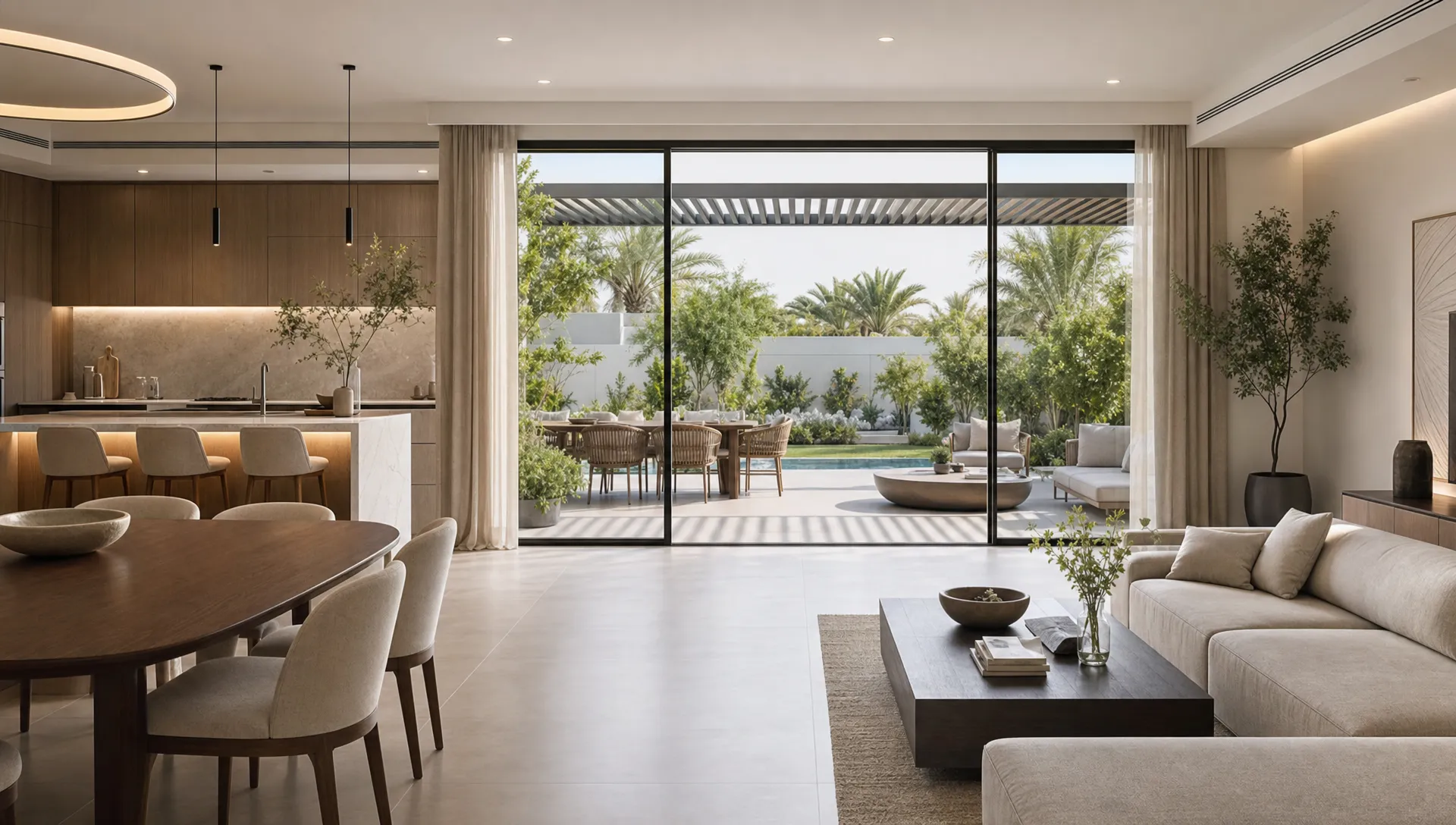
A good property refurbishment makes movement through the home feel easier. Wider circulation, better furniture placement, smarter storage and clearer transitions between indoor and outdoor areas can improve perceived space without costly structural changes. This is especially valuable in villas where living areas, kitchens, maid’s rooms, laundry zones and outdoor spaces may not match how modern families live.
Before removing walls or opening rooms, confirm whether walls are load-bearing and check how mechanical, electrical and plumbing services run through them. A wall that looks simple may contain AC ducts, drainage pipes or electrical routes. Changing it without proper assessment can create delays, safety concerns and extra cost.
For apartments, layout improvement may focus more on built-in storage, kitchen workflow, bedroom wardrobes, lighting and balcony usability. In commercial spaces, circulation affects customer experience, staff efficiency and compliance. Even small changes, such as relocating a reception desk or improving storage near service zones, can make the space work harder.
Make services, approvals and documentation part of the design
The safest property refurbishment plans treat approvals, drawings and service coordination as part of the project, not admin tasks left until the end. In Dubai and across the UAE, many properties require coordination with building management, developers, community rules or relevant authorities before work begins. Requirements vary by property type, scope and location, so early checking helps avoid delays.
Documentation also protects value after the work is complete. Keep records of drawings, product warranties, waterproofing works, electrical changes, plumbing routes, AC servicing and material specifications. These records make future maintenance easier and can reassure buyers or tenants that the refurbishment was handled professionally.
Commercial owners should also coordinate property works with specialized business equipment. For example, a catering business, gourmet grocery or medical supplier may need the premises, loading area and logistics setup to align with temperature-controlled transport, including ATP-certified refrigerated van conversions when cold-chain operations are part of the wider business model.
Add efficiency and comfort upgrades that age well
Energy efficiency is one of the most practical ways to protect long-term value because it improves comfort while helping control operating costs. In UAE homes, cooling performance is especially important. A refurbishment should assess AC sizing, duct leakage, thermostat placement, insulation, window shading and airflow before relying on decorative upgrades alone.
A thoughtful property refurbishment can also include LED lighting, dimmable circuits, efficient water fixtures, improved exhaust fans, better door seals and smart controls where they add genuine convenience. The aim is not to turn every room into a technology showroom. It is to make the property easier to live in, easier to maintain and less wasteful.
Landscape efficiency matters too. Low-maintenance planting, proper irrigation zones, shaded seating, drainage planning and durable outdoor lighting can make exterior areas more usable without creating a constant maintenance burden. For villas, the garden, pool deck and entrance approach often shape perceived quality before anyone enters the home.
Keep the finish timeless, not generic
Value-protecting design does not mean bland design. It means choosing a base that can adapt. Neutral wall tones, balanced flooring, clean joinery lines, quality doors, simple hardware and well-planned lighting create a flexible foundation. Personality can come through furniture, art, rugs, plants and removable decorative elements.
A highly themed interior may suit the current owner but narrow the future buyer pool. Heavy ornament, unusual color schemes and overly trendy surfaces can make a property feel dated faster. Timeless design in the UAE often works best when it combines calm materials with practical luxury: shadow gaps, concealed storage, durable worktops, soft lighting, stone textures and well-finished carpentry.
In a premium property refurbishment, details carry weight. Door handles, skirting, switches, grout lines, cabinet edges and ceiling transitions all affect the sense of quality. Buyers may not name every detail, but they feel the difference between a rushed cosmetic job and a carefully finished renovation.
Budget where defects are expensive to reverse
The smartest budget is not always the biggest budget. It is the one that puts money into areas that would be costly to fix later. Waterproofing, drainage, electrical capacity, plumbing, AC performance, exterior protection and quality installation should come before decorative extras.
A practical budgeting sequence starts with condition surveys, then technical repairs, then layout improvements, then finishes. This keeps the project grounded and reduces the chance of removing new finishes to repair old problems. If the property will be rented or sold, avoid spending heavily on personal luxury items that future occupants may not value.
For any substantial property refurbishment, ask for a clear scope of work, material specifications, realistic timelines and a process for variations. Vague allowances can lead to compromises during execution. A transparent plan also makes it easier to compare contractors fairly, since the lowest quote may exclude work that will become necessary later.
Think about maintenance before choosing the final look
A finish has to be cleaned, serviced and repaired long after the contractor leaves. Before choosing textured walls, delicate stone, complicated lighting scenes or custom fixtures, consider how easily they can be maintained. Can replacement parts be sourced? Can the surface handle routine cleaning? Can access panels be reached without damaging joinery?
This matters in rental properties, family villas and commercial spaces alike. Durable materials, accessible services and straightforward maintenance routes protect the owner from avoidable costs. They also help the property look better for longer, which supports both enjoyment and market perception.
Frequently Asked Questions
Does property refurbishment always increase resale value? Not automatically. It protects or increases value when it fixes real defects, improves function, uses durable materials and suits the expectations of the local market. Overly personal or poorly executed work can reduce appeal.
Which refurbishment upgrades should come first in a UAE villa? Start with waterproofing, AC performance, electrical safety, plumbing, exterior protection and drainage. Once those are secure, move to kitchens, bathrooms, flooring, lighting, carpentry and landscaping.
Is it better to refurbish before selling or leave the property as it is? It depends on the condition, location and buyer profile. Light refurbishment can help a property show better, but major work should be planned carefully so you do not spend on upgrades the next owner may replace.
How do I avoid overbuilding during a refurbishment? Set a value-based scope before work begins. Focus on repairs, layout improvements, durable finishes and broad market appeal rather than expensive features that only suit one taste or lifestyle.
Do apartments and villas need different refurbishment plans? Yes. Apartments often involve building management rules, shared services and tighter space planning. Villas usually involve more exterior work, landscaping, drainage, facade maintenance and larger MEP systems.
Plan a refurbishment that protects the asset
The best refurbishment decisions make a property more comfortable today and more resilient tomorrow. If you want the work to support long-term value, start with the condition of the building, then improve the layout, systems, finishes and outdoor areas in a coordinated way.
Renovate UAE provides villa, apartment, home and commercial renovation services across the UAE, including civil work, electrical and plumbing services, kitchen and bathroom upgrades, carpentry, painting, landscaping and interior design solutions. If you are planning a property refurbishment, you can request a free site visit and estimate through Renovate UAE and build a scope that fits your property, budget and long-term goals.